CVE-2026-133325: Tomcat Cluster TLS 1.3 PSK Auth Bypass
How a TLS 1.3 handshake that drops the pre-shared key lets an unauthenticated node receive Tomcat cluster traffic. Affected versions and the interim fix.
If a scanner flagged CVE-2026-133325 on your Apache Tomcat server, you are almost certainly not exposed unless your Tomcat cluster uses Tribes TLS-PSK over TLS 1.3, a feature that only shipped in the latest Tomcat releases. On November 19, 2026, the Apache Tomcat security team disclosed CVE-2026-133325, a key exchange without entity authentication flaw (CWE-322) rated Critical. It affects Tomcat 11.0.28 through 11.0.29, 10.1.62, and 9.0.124 when Tribes uses TLS-PSK over TLS 1.3, the default pskProtocol. Fixes ship in 11.0.30, 10.1.63, and 9.0.125, none released as of [publish date], 2026. In TLS 1.3 the pre-shared key is only offered, so a peer can ignore it, complete a certificate-based handshake, and be accepted because Tribes never verifies certificates. End-of-life (EOL) Tomcat 8.5 is not affected because it never received Tribes TLS-PSK.
Running EOL Apache Tomcat? See Never-Ending Support (NES) for Apache Tomcat.
What is CVE-2026-133325?
CVE-2026-133325 is a key-exchange-without-entity-authentication flaw (CWE-322) in Apache Tribes, the group communication framework behind Tomcat session replication (DeltaManager, BackupManager) and ReplicatedContext. The vulnerable class is org.apache.catalina.tribes.transport.nio.TlsChannel.
Tribes TLS-PSK support is brand new. It landed in Tomcat 9.0.124 (changelog entry: "Add TLS 1.2 and TLS 1.3 pre-shared key support to Apache Tribes") and the matching 10.1 and 11.0 releases, as the replacement for the now-deprecated EncryptInterceptor. Nodes enable it by setting pskKey, pskIdentity, and secure="true" on the cluster Channel, plus a securePort on the Receiver and each Member. Apache's guidance was to move off EncryptInterceptor onto TLS-PSK, so the clusters most likely to be exposed are the ones that just followed that advice.
The mechanism is a mismatch between how TLS 1.2 and TLS 1.3 treat a pre-shared key:
- TLS 1.2 PSK cipher suites make the PSK mandatory. No key, no handshake.
- TLS 1.3 carries the PSK as an offer in the ClientHello pre_shared_key extension. The server may ignore that offer and fall back to a normal certificate-authenticated handshake.
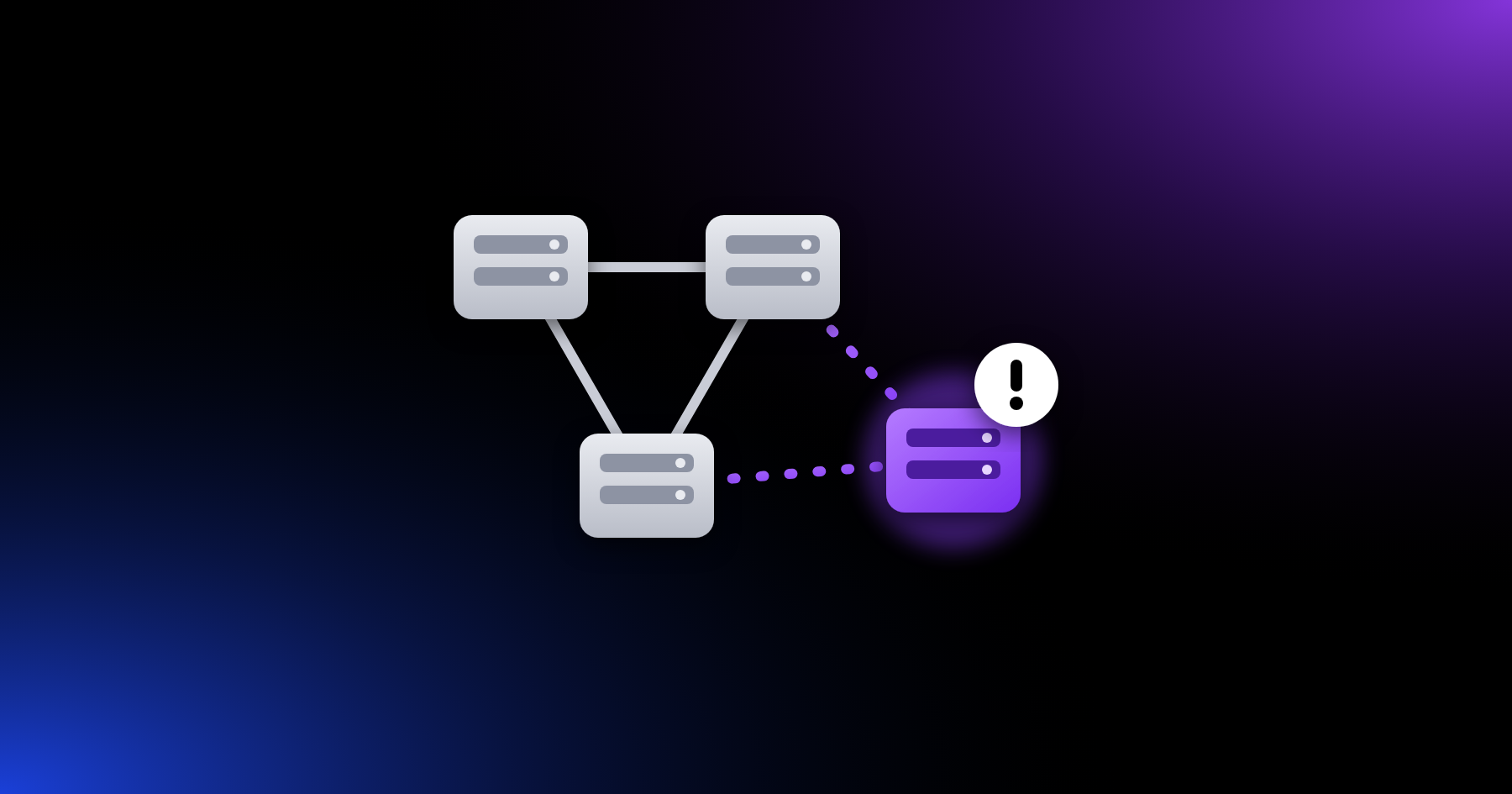
Tribes authenticates peers solely through the PSK and does not configure certificate trust. So when a TLS 1.3 peer ignores the PSK and presents any certificate, self-signed included, the handshake succeeds and the node treats the connection as an authenticated cluster member.
Severity and exploit conditions
Apache rates CVE-2026-133325 Critical, the top of its Tomcat severity scale. The rating reflects that the flaw quietly undoes the one control an encrypted cluster depends on: an attacker needs no pre-shared key, credentials, or prior membership to be treated as a trusted node.
All of the following must be true for a cluster to be exposed:
The TLS provider row is the fastest check for most teams. Tribes TLS does not use JSSE, so a node with neither OpenSSL-FFM nor Tomcat Native 2.0.17 (released October 29, 2026, and the first version with PSK callbacks) fails at channel startup rather than running exposed. Tomcat 9 deployments on Java 8, 11, 17, or 21 without a current Tomcat Native cannot have enabled the feature.
Dynamic membership deserves a specific warning: Tomcat's cluster docs note that multicast discovery runs in the clear even when TLS is enabled, so a rogue node can advertise itself to the cluster without any key.
Is CVE-2026-133325 being exploited?
CVE-2026-133325 is not in CISA KEV and no public exploit has been reported. The fix commit does include a regression test, testServerIgnoresPskTls13, that reproduces the trigger condition with nothing more than a stock JSSE server holding an RSA certificate: before the fix, the Tribes client completed the handshake and sent data. Apache received the report on November 16, 2026, and disclosed on November 19, 2026, so the window between report and public detail was three days, and releases with the fix are not out yet. Credit goes to Mike Read.
Root cause: the missing post-handshake check
Before the fix, TlsChannel ran engine.beginHandshake() and handshake(), then started moving application data. Nothing confirmed which authentication mode the handshake actually used.
Commit 8dac862e (9.0.x) adds verifyPskAuthentication() immediately after handshake(). It calls engine.getSession().getPeerCertificates():
- If that throws SSLPeerUnverifiedException, no certificate was presented, which is what a PSK-authenticated handshake looks like. The connection proceeds.
- If it returns one or more certificates, the PSK was not used. The channel closes inbound and outbound and throws SSLHandshakeException with the message "The TLS handshake completed with a peer certificate rather than the pre-shared key."
The same change went into 10.1.x as commit 8dcddccc and 11.0.x as commit 2e6c85ba. The design lesson is worth stating plainly: under TLS 1.3, "I configured a PSK" does not mean "the handshake used the PSK." Any TLS 1.3 PSK deployment that skips certificate validation needs an explicit post-handshake check like this one.
What an attacker can do
A rogue node accepted through CVE-2026-133325 can:
- Receive replicated sessions. With DeltaManager (all-to-all) or BackupManager (primary/backup), legitimate nodes push session creation, attribute changes, and invalidations to every member they believe is trusted. A rogue node collects session IDs, serialized session attributes, and authenticated principals.
- Hijack user sessions. Captured JSESSIONID values, combined with the application's normal front door, let the attacker act as logged-in users until those sessions expire.
- Harvest replicated context data. Applications using ReplicatedContext broadcast context attribute changes over the same channel.
- Defeat the protection operators deliberately turned on. Teams enable TLS-PSK precisely because the cluster network is not trusted. This bug removes the authentication half of that protection while still reporting TLS as active.
Which Tomcat versions are affected by CVE-2026-133325?
Only the three releases that shipped Tribes TLS-PSK before the fix are affected by CVE-2026-133325, and only when TLS-PSK runs over TLS 1.3.
A note on the CVE record: its description lists the 9.0.x fix as 9.0.123, which predates the vulnerable 9.0.124 release. The Tomcat 9 security page confirms the fix is in 9.0.125.
The bigger issue for EOL users is not this CVE. Tomcat 8.5 reached end of life on March 31, 2024 (endoflife.date), so it will never get Tribes TLS-PSK. Its only built-in cluster encryption is EncryptInterceptor, the component behind CVE-2026-95517. Apache lists that CVE as affecting 9.0.13 to 9.0.123 and does not assess EOL branches, but Tomcat 8.5 ships the same interceptor in an older form: it defaults to AES/CBC/PKCS5Padding with no integrity check on the ciphertext and has no replay protection. Tomcat 9.0.123 had already moved the default to AES/GCM/NoPadding and added a replay window, and Apache still called its weaknesses unaddressed.
How to mitigate CVE-2026-133325
Related CVEs
- CVE-2026-34486: the EncryptInterceptor fail-open bypass in Tomcat 9.0.116, 10.1.53, and 11.0.20, which forwarded messages that failed decryption. Our deep dive on CVE-2026-34486 covers the port 4000 exposure in detail.
- CVE-2026-95517: multiple unaddressed weaknesses in EncryptInterceptor, including encryption without integrity checking. Apache lists 9.0.13 to 9.0.123, but EOL Tomcat 8.5 ships the same interceptor with a CBC default and no replay protection. This is the CVE that led Apache to deprecate EncryptInterceptor in favor of TLS-PSK. Apache's own advisory tells users to stay on TLS 1.2 because of CVE-2026-133325.
- CVE-2026-106012: incorrect security-role-ref handling with RequestDispatcher.forward(), disclosed on November 19, 2026, and fixed in 9.0.124.
For the full branch history, see our guide to Apache Tomcat versions and EOL dates.
Taking action
If you run Tomcat 11.0.28 to 11.0.29, 10.1.62, or 9.0.124 with an encrypted cluster, set pskProtocol="TLSv1.2" on every node today, then upgrade when 11.0.30 or 10.1.63 ships. The Apache advisory and the Tomcat 11 security page will confirm release availability.
Tomcat 9 teams have a second deadline to plan around. 9.0.125 fixes this bug, but the 9.0.x line stops receiving community fixes on March 31, 2027.
And if your cluster still runs Tomcat 8.5, CVE-2026-133325 is not your problem, but CVE-2026-95517 likely is: the only built-in cluster encryption on 8.5 is the EncryptInterceptor Apache has deprecated, the TLS-PSK transport that replaces it will never reach 8.5, and every future Tomcat CVE that does affect 8.5 ships without an upstream fix. NES for Apache Tomcat delivers drop-in replacement Tomcat 8.5 and 9.0 builds that resolve vulnerabilities as they are disclosed, so you can keep your cluster secure and compliant while you plan your migration on your own schedule.


Resources
View All Articles